Yes, Valentine’s Day has come and gone. We’re deep into the Winter Olympics and settling into what I like to call the dog days of winter.
So, tell me—how was your Valentine’s Day? Lots of chocolate, roses, and cards professing undying love?
No?
Me neither. 😊
But that’s actually okay. Because this year, I’ve decided to call February my Month of Love—and for a very different reason than just one day of celebration.
What I’ve been doing this month has put me in a whole new frame of mind about the people I love most.
In fact, today I feel more in love with my husband and more appreciative of my family than I have in years. And it all started with one simple exercise I’ve been faithfully practicing.
Want to know the secret?
It’s just one powerful question:
“What do I want to think and feel about this person?”
Let me give you an example.
When I think about my husband, here’s what I choose to focus on:
- He loves me and cares for me so well.
- He loves the Lord.
- He is slow to anger and incredibly patient.
- He is wise and thoughtful.
- He shows his love in the many small things he does every day to make life better for our family.
- He is reliable, steady, and a wonderful provider.
Now here’s the beautiful part…
When I think these thoughts, look at what I feel:
I feel grateful.
I feel thankful.
I feel secure.
And yes—I feel deeply in love with this wonderful man.
Doesn’t that feel good just reading it?
That’s the quiet magic of intentionally setting your mind on what is good.
Now, could I think irritating or annoying thoughts about him?
Of course! He’s human… and so am I. 😊
But here’s the real question: How do I feel when I focus on those thoughts?
Not great.
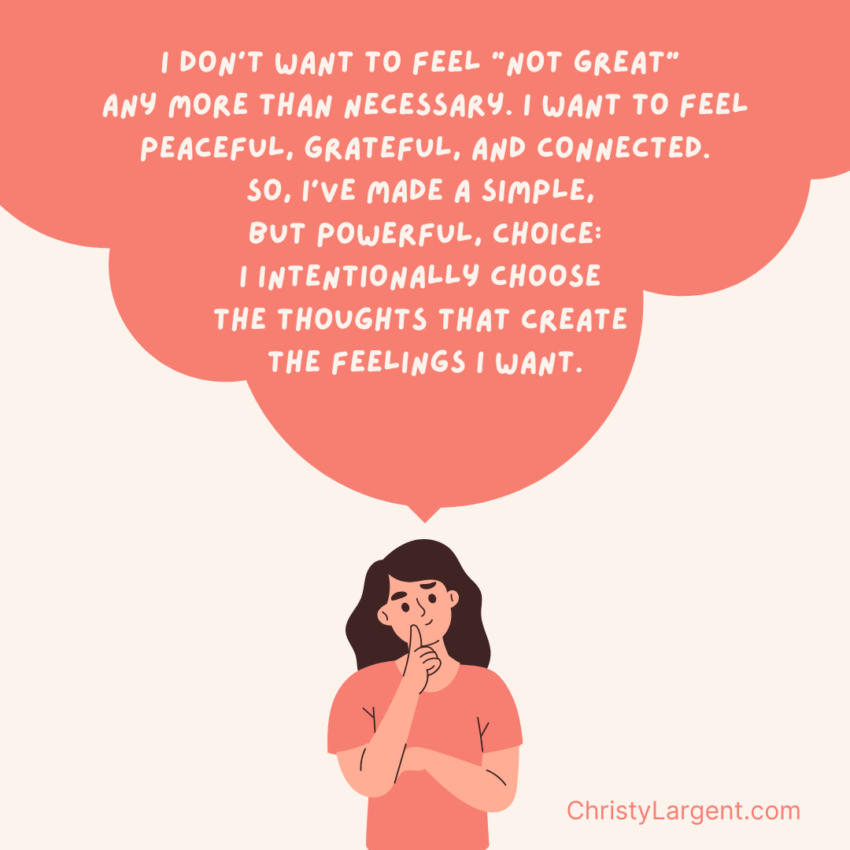
And at this stage of life, I don’t want to feel “not great” any more than necessary. I want to feel peaceful, grateful, and connected.
So, I’ve made a simple but powerful choice:
I intentionally choose the thoughts that create the feelings I want.
Here’s the fascinating part—God designed our brains in an incredible way. Whatever we consistently think about begins to feel more true to us. Psychologists call this confirmation bias.
In simple terms? Your brain starts looking for proof of whatever you tell it to look for.
So, when I fill my mind with these loving thoughts about my husband, my brain goes to work finding evidence everywhere:
“Oh look—there he is being thoughtful again.”
“There he goes, taking care of us.”
“Yep… still that steady, reliable man.”
And the bonus?
The loving feelings naturally follow.
So let me ask you, sweet friend:
What do you want to think and feel about the people you love?
Why not try this simple little exercise and see what shifts for you?
You just might find — like I did — that February becomes your own beautiful Month of Love.
New to The Best-Life Project?
Please read these foundational posts:
Read More from This Author:
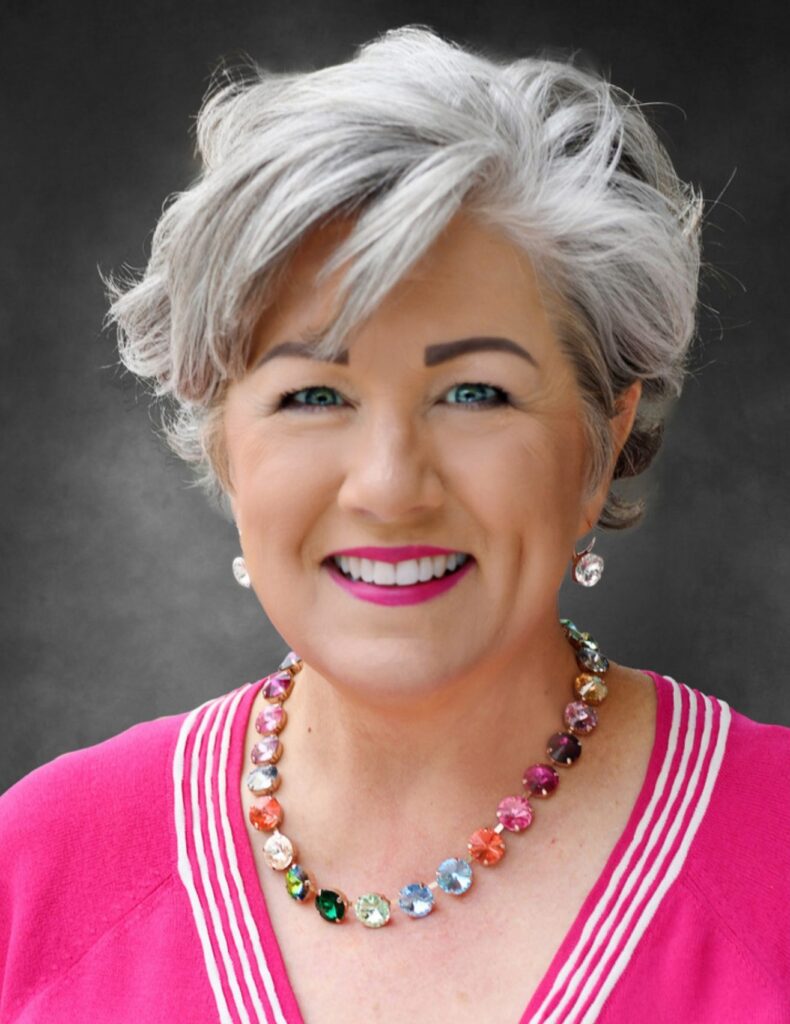
Christy Largent is a motivational speaker, painter, and joy enthusiast based in Texas. After decades as an interior designer and professional speaker, she’s now inspiring women everywhere to embrace their Empty Nest years as a fresh season of discovery. Through her art, writing, and storytelling, Christy encourages others to live with purpose, laughter, and faith—because joy truly is made visible.
Follow her at ChristyLargent.com or on Instagram @ChristyLargent for a daily dose of color, creativity, and encouragement.
Christy, this is so true! I find that when I get “irritating or annoying thoughts” about my husband (yes, that does happen), if I shift my focus to all of his qualities, my attitude changes.
This is so incredibly true! Great reminder that what we think can change our days!
Thank you for this reminder. Simple but profound.
I truly appreciate this insight. Where I struggle is when I’m going too far. Not with my husband, but with others that I love. As a full-blown, first-born, all-in codependent, my problem is going too far in the other direction. And I believe I’ve allowed people to walk on me, take advantage of me, or merely dismissed me because, “Laura will understand. Laura always forgives. Laura takes the high ground. ” And I want to have the perfect balance of grace, compassion and true forgiveness coupled with holding people accountable and or knowing when to walk away. Most of us have at least 1 unhealthy and/or unsafe person in our lives (often in our family). So for me, I’ve learned how to focus on the things they do well and put away the thoughts when they don’t show up. My problem is knowing when it’s time to say, “that isn’t acceptable anymore.”