
There comes a season in life when many women stop trying to prove themselves and start asking a more meaningful question: How do I live fully, authentically, and joyfully in the years ahead?
For women over 60, emotional resilience is less about “pushing through” and more about learning how to remain grounded, hopeful, and emotionally healthy without pretending life is perfect. And that distinction matters.
Somewhere along the way, many women were taught that strength meant staying silent, never burdening others, and always putting on a brave face. But emotional resilience is not the same thing as toxic positivity.
Toxic positivity says:
“Just stay positive.”
“Everything happens for a reason.”
“Don’t think about the negative.”
True emotional resilience says:
“This is hard, but I can handle hard things.”
“I can acknowledge pain without being consumed by it.”
“I can grieve losses and still embrace joy.”
That is a very different mindset—and a much healthier one.
What Emotional Resilience Really Means
Emotional resilience is the ability to adapt, recover, and continue moving forward after disappointment, change, stress, or loss. It doesn’t mean you never cry, never struggle, or never feel discouraged.
In fact, resilient women often feel deeply.
But instead of getting stuck in bitterness, fear, or hopelessness, they learn how to process emotions honestly while continuing to build meaningful lives.
And after 60, resilience often becomes even more important because this stage of life can bring significant transitions:
- Retirement or career changes
- Health challenges
- Grief and loss
- Adult children moving away
- Changes in marriage or friendships
- Questions about identity and purpose
Yet this season can also become one of the richest, wisest, and most fulfilling chapters of life.
Confidence Comes From Knowing Who You Are
One of the greatest gifts of aging is clarity. And yet, sometimes we still wonder “Who am I anyway?” Knowing our true identity is one of the greatest blessings of living experience.
By this stage in life, many women have spent decades caring for others, meeting expectations, and trying to be everything to everyone. But emotional resilience grows when we stop measuring our worth by productivity, appearance, or approval.
Confidence after 60 is quieter than it was at 30.
It no longer needs constant validation.
It says:
- “I know who I am.”
- “I trust my judgment.”
- “I don’t need to compete with others.”
- “I can set healthy boundaries without guilt.”
Research in neuroscience shows that our brains are continually shaped by repeated thoughts and experiences. The more we practice self-respect, emotional awareness, gratitude, and healthy relationships, the stronger those neural pathways become.
In other words, resilience is not simply a personality trait. It is something we can intentionally cultivate.
Strong and Self-Reliant Doesn’t Mean Isolated
Many women pride themselves on being independent—and rightly so. Life experience has taught them how capable they are.
But there is an important difference between healthy self-reliance and emotional isolation.
Some women become so accustomed to taking care of everyone else that they struggle to ask for support when they need it. Others fear appearing weak or vulnerable.
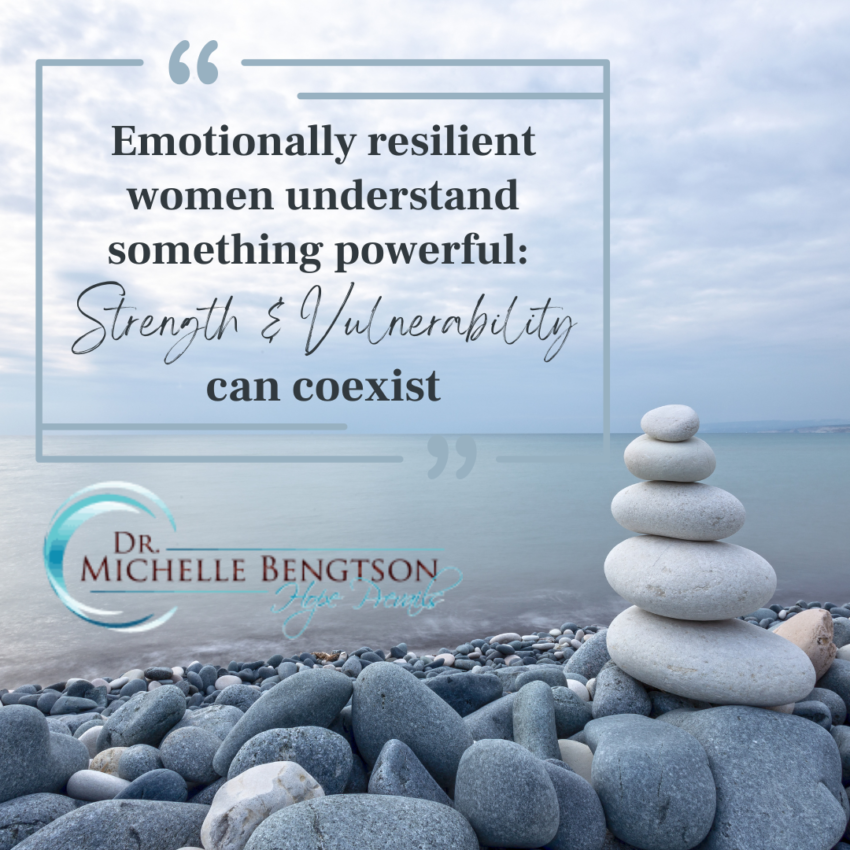
Yet emotionally resilient women understand something powerful: strength and vulnerability can coexist.
Being self-reliant means:
- Taking responsibility for your emotional health
- Maintaining healthy routines
- Making wise decisions
- Continuing to grow and learn
But resilience also means recognizing when connection, encouragement, or companionship is needed.
We were never meant to navigate life entirely alone.
The Importance of Generous Friendships
One of the strongest predictors of emotional well-being as we age is the quality of our relationships.
Not the quantity.
The quality.
Emotionally resilient women become intentional about cultivating friendships marked by:
- Kindness
- Honesty
- Encouragement
- Loyalty
- Mutual support
- Generosity of spirit
And generosity is not only financial. A generous heart offers presence, wisdom, compassion, patience, and empathy.
Sometimes the most meaningful gift we can give another woman is simply making her feel seen.
At the same time, emotionally healthy friendships require discernment. Resilience grows when we surround ourselves with people who are emotionally safe, uplifting, and authentic—not those who thrive on drama, criticism, or constant negativity.
As we age, many women discover that fewer deep friendships are far more nourishing than many shallow ones.
Why Toxic Positivity Is Harmful
There is a difference between hope and denial.
Toxic positivity dismisses difficult emotions rather than processing them. It pressures people to appear cheerful even when they are hurting.
But unacknowledged emotions do not disappear. They often surface later through anxiety, irritability, exhaustion, sleep problems, or even physical symptoms.
Healthy emotional resilience allows room for the full range of human experience:
- Joy and sorrow
- Gratitude and grief
- Confidence and uncertainty
- Strength and tenderness
You do not have to pretend everything is fine in order to live a beautiful life.
In fact, some of the most emotionally resilient women are those who have endured heartbreak, disappointment, illness, betrayal, or loss—and emerged with deeper compassion, wisdom, and perspective.
Living Your Best Life After 60
Living your best life after 60 is not about chasing perfection or trying to reclaim youth.
It is about becoming fully yourself.
It is waking up each day with purpose, curiosity, confidence, and emotional freedom.
It is learning to:
- Protect your peace
- Speak kindly to yourself
- Let go of comparison
- Embrace change with flexibility
- Continue growing emotionally and spiritually
- Invest in meaningful relationships
- Find joy in simple things
Most importantly, it is understanding that resilience is not built by avoiding life’s challenges. It is built by walking through them with courage, honesty, and hope.
And perhaps this is the real beauty of aging:
You no longer need to perform.
You no longer need to pretend.
You can simply become.
Strong.
Wise.
Compassionate.
Confident.
Generous-hearted.
Not because life has been easy—but because you have learned that even in difficult seasons, you are capable of healing, adapting, and thriving.
That is emotional resilience.
And that is a life well lived.
Cheering You On!
Dr. Michelle
New to The Best-Life Project?
Please read these foundational posts:
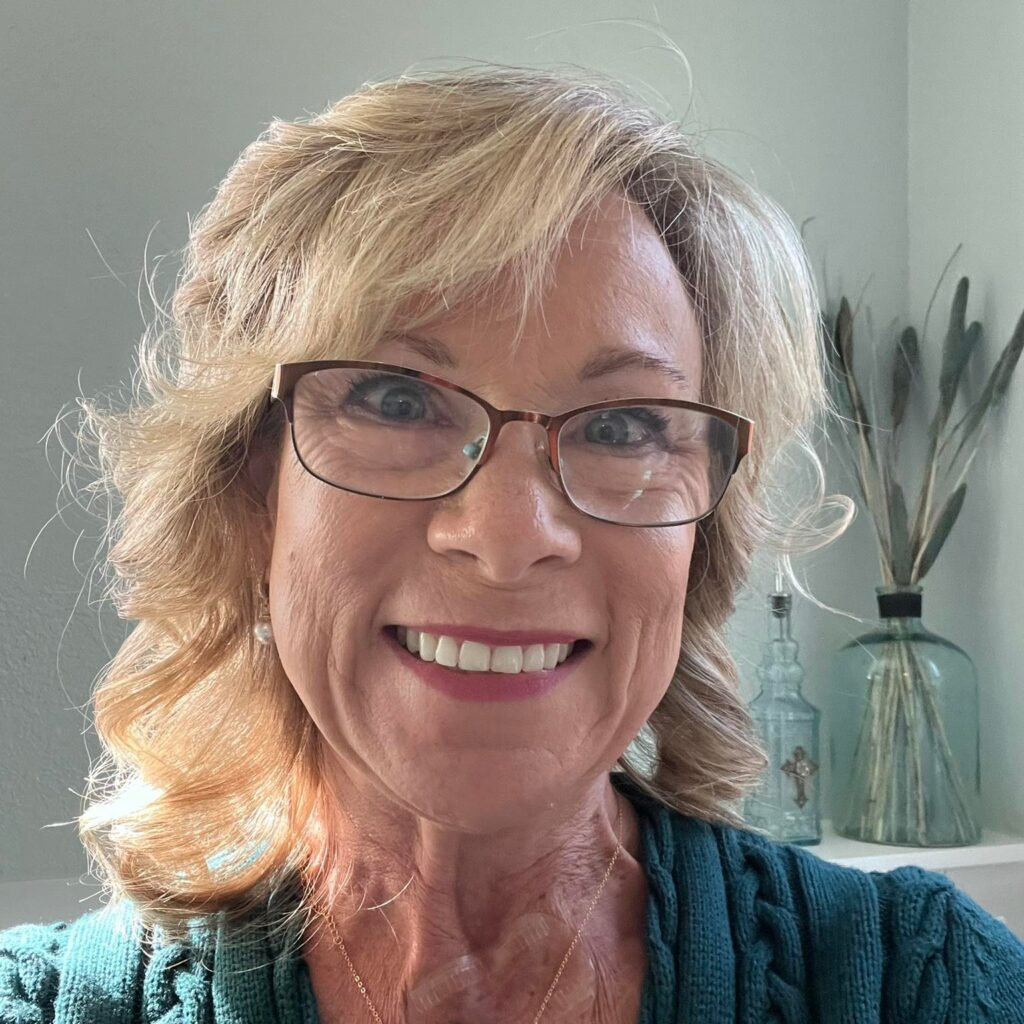
In addition to being an award-winning author and popular podcast host, Dr. Michelle Bengtson is a brain scientist with a Bible, exposing the lies your thoughts rehearse at 2 a.m. She helps people untangle anxiety, trauma, shame, and discouragement through neuroscience and faith—reminding the amygdala it is not the Holy Spirit and perfectionism is not a spiritual gift.
Learn more at Dr. Michelle Bengtson.
Outstanding article! Such great insights and wisdom. Thank you for sharing with us!
Wendy, I’m so glad it resonated with you! Hope Prevails!