

In a world focused on goals and accomplishments, the idea of a Minimum Standard of Care may seem like heresy to some. But it is an idea worth considering. There is cultural pressure—especially on women—to do it all, do it perfectly, and do it without complaint. Maybe it is time to lower the bar, cut ourselves some slack, and adjust our unstainable standards.
I have been wanting to publish this post for more than a year. Today it is finally happening.
This concept is not mine. It comes from Kathi Lipp. I have known Kathi for decades. I follow her on Facebook—where she offers great insights into decluttering and other ways of simplifying life. One year ago, almost to the day, she posted about this minimum standard of care idea. I read the post. Even more so, I was surprised at the volume of positive responses she got. People loved this idea and added their suggestions. I reached out to Kathi and invited her to write a post for The Best-Life Project. She declined. She was suffering with Long-COVID and couldn’t add it to her plate. Remember, she is a decluttering expert. I checked back about six months ago. She still declined. She needed to protect her health/energy. But she encouraged me to take the idea and write the post. The idea has continued to percolate in the back of my mind, not because I am any expert at it, but because, like her followers responses—quoted here, I believe this may be just what some of you need to hear.
Kathi started her post by saying:
“On Monday, I posted my confession that I do not separate my clothes before washing. And, y’all had some really big feelings about it.
If you separate your clothes and don’t feel overwhelmed in life right now, carry on my peace-filled friend.
But if you are feeling overwhelmed and exhausted, might I suggest that what your mom and grandma and the generations before taught you about laundry might not be serving you?
Just because something has always been done a certain way, doesn’t mean that the way it always needs to be done. Yes, maybe you need to separate your clothes because of a circumstance in your life (teenage boys come to mind…). And maybe you just like doing it because it feels comfortable to you. Go for it.
But if you are feeling overwhelmed, let me suggest a topic that my husband and I have discussed: Minimum Standard of Care.”
Can you do less? Can you do it less well? Kathi says: “This isn’t about laziness or neglect. It’s stewardship. It’s sustainability. Sometimes rest starts with releasing the unnecessary.” She adds: “Doing everything at 100%, 100% of the time, leads to exhaustion, frustration, and burnout.” She defines the Minimum Standard of Care by asking yourself about the tasks that overwhelm and exhaust you.
Laundry
Kathi started with talking about laundry. That is one area she has changed in her life. She asks:
“Would I love to separate my clothes into multiple washes? Maybe, but my clothes don’t seem to wear out any faster, fade any more quickly, or snag or tear. Maybe I buy less-delicate clothes than other people, but it works for us. This is my Minimum Standard of Care.”
Sara Snuggerud responded to Kathi’s idea:
“At our lake house the washing machine IS our hamper. When it is full we run it. This works great even when we have guests and extra teenagers. There are never dirty clothes hanging out with the clean clothes.”
Megan Stromberg adds: “We’ve done our laundry like this for 30 years for our family of 7. Only 2 mishaps.”
Connie Williams offered a different approach to simplifying laundry:
“Now that the kids are grown and flown, the laundry doesn’t pile up as fast. Color fast clothes make sorting unnecessary unless it’s a load of the farmer’s really dirty things or the occasional bleach load. I purposely don’t purchase things that need delicate care. Things that need to be hung (shirts, pants, jeans) are hung in the laundry room as soon as the dryer ends—or after a fluff when needed. Shorts or anything else that isn’t hung that I don’t want wrinkled get folded and left on the dryer. The remaining towels, washcloths, underwear, etc. get pulled into a clean basket in front of the dryer. Once every week or so (when the last towel has been used or I get tired of getting one out of the basket 😉) I fold the remainder and add anything already folded before putting it away and move the hanging things as needed.”
The idea, of course, is to, perhaps, let go of doing things the way were we taught and do them the way they work for us. Personally, I am at the place where I have both time and health. I actually enjoy doing the laundry. I sort into four different loads and I do laundry once every week to ten days. I like putting away all the clean clothes—but there are just the two of us and I am, mostly, retired.
I love what Linda M Harris Hablitzel said: “I’m so on board with the Minimum Standard of Care concept! It’s all about prioritizing what really matters and cutting ourselves some slack.”
Housekeeping
Housekeeping is another area where the minimum standard of care concept can be applied. Kathi asks:
“Would I like to have my floors mopped every other day? Sure.
But it’s going to take me the same time to mop my floors every other week as it would every other day.
So, my floors get a deep clean twice a month, and then in-between, I sweep, I swiffer, and we wear slippers or indoor shoes inside. And it works for us. (There are just two of us—we are not birthing claves on the kitchen concrete.) This is my Minimum Standard of Care.”
Here’s how Robin Lord Dilallo’s Minimum Standard of Care idea plays out:
“Bear with me here since minimum standard looks different for different people. Our Minimum Standard of Care was budgeting to have someone clean twice a month. We were struggling to get it done well for years. Now I know that my toilets and floors are clean. I no longer feel guilty about it. The work is a blessing to someone else and to me.”
My housecleaning is somewhere between Kathi’s and Robin’s. I use a cleaning service that will come when I call. Generally, I do a pretty job of keeping the house picked up and tidy—but I don’t obsess about it. I am not embarrassed if a friend drops by unannounced, but I wouldn’t pass the white-glove test either. When it gets out of control, or I am having a party, I call the cleaning service and in about an hour, they zip through and leave everything clean.
Sandy Churchill offers a unique idea for how she has implemented the Minimum Standard of Care idea. It might help you:
“Lately, I’ve been grabbing four different long, cotton jersey, short-sleeved dresses, and they have been my quick go to with bike shorts underneath. Fast dressing when jobs, eldercare and grandbaby care are all time consuming.”
Once you start thinking about it, you will find all kinds of ways where, as Kathleen Thompson suggested, getting a C is just fine. “Some things may not be important enough to warrant an A.”
Some areas Kathi suggests include:
- Don’t fold or match socks and underwear
- Eat off of paper plates one meal a day
- Instead of meal planning, have the same seven meals every week and only change it up when someone can’t stand it any more
- Buy your groceries at the place that will shop for you and deliver them to your car instead of the place that is 4% cheaper
- Donate your items to a less-than-perfect organization instead of selling them or driving around with them for five months
- Skipping Christmas card this year (or forever)
If, at the moment, you are barely keeping your head above water, Kathi suggests that instead of holding yourself to the ideal, you, too, explore your Minimum Standard of Care. If you find it doesn’t work for you, go back to your old ways.
Don’t put imaginary barriers in your way that make things harder than they need to be. Maybe it is time to give yourself permission to do “less of or less well.”
I’ll close with a comment from Karen Haney: “I’m with you in practicing Minimum Standard of Care! I agree with what you’ve said and do. Life is too short, as we get older, to stress about so many things.”
It is time to find new ways to live your best life!
New to The Best-Life Project?
Please read these foundational posts:
Read More from This Author:
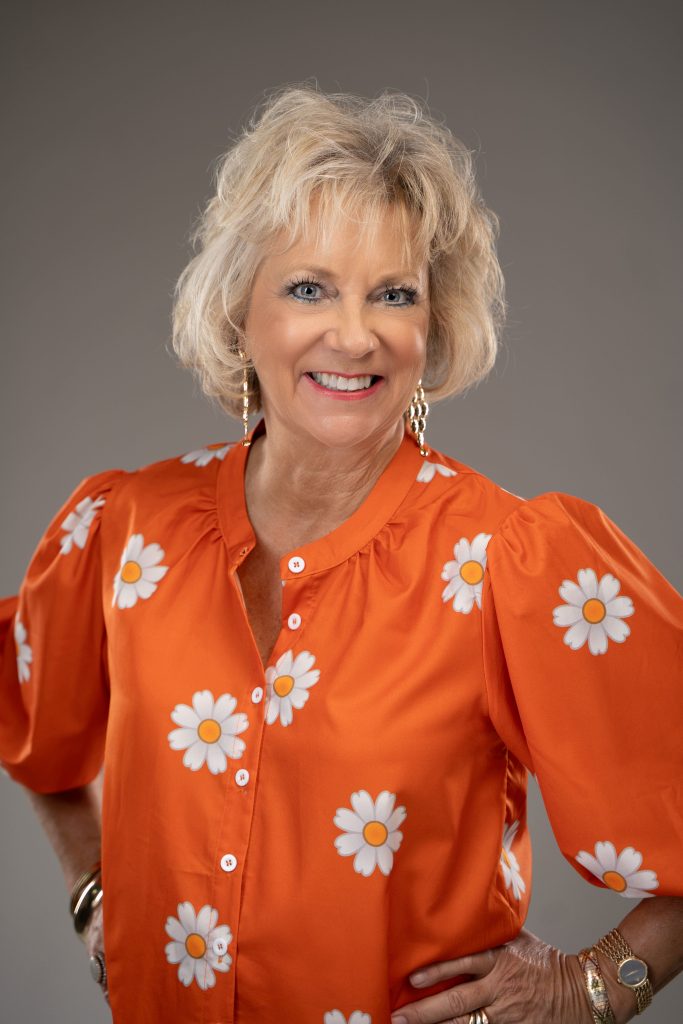
Marita Littauer Tedder has spent the majority of her adult life working with women—helping them improve relationships, achieve their speaking and writing dreams, and being the best version of themselves they can possibly be. The author of 20 books, this Living Our Best Life Project is her newest effort—through which she hopes to challenge women to be fulfilled where they are.
Marita,
This is SOOOOO good and soooooo true. Since I wear LOTS of cotton, My “lower standcard of care” comes in the form of truly trying to pull things out of the dryer and shake them out while they’re hot and smooth them out and fold them without thinking that every single piece of clothing must be ironed!
Last week, I was teaching at a music conference and on one of the mornings the devotional message was particularly wonderful and poignant for those of us that are older… go to Ecclesiastes chapter 6… It talks about aging and we must keep moving forward, and if that means simplifying things to stay productive and stay sane, so be it. Thank you for this post. Timely! And… happy 250th birthday to our beautiful America.
Love reading. Love permission to slow down, do it the way it works for me & not feel guiltu
Yes! Kathi is one of my favorites. With chronic pain, retirement, and fewer entertaining opportunities, cleaning has lowered in the energy priorities. Bravo to accepting life in its seasons!