What I’m about to share is still very raw. Even now, tears well up when I think about what happened this past weekend.
When I adopted my puppy Annie four and a half years ago, I was filled with joy. I couldn’t wait to train her, raise her and make her part of my family.
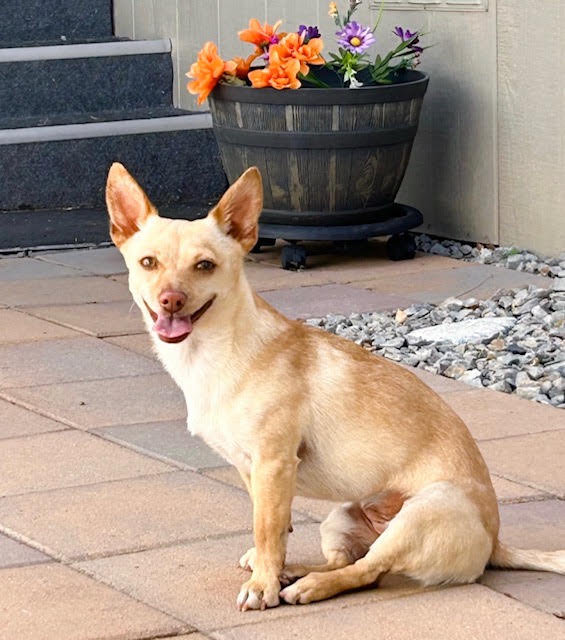
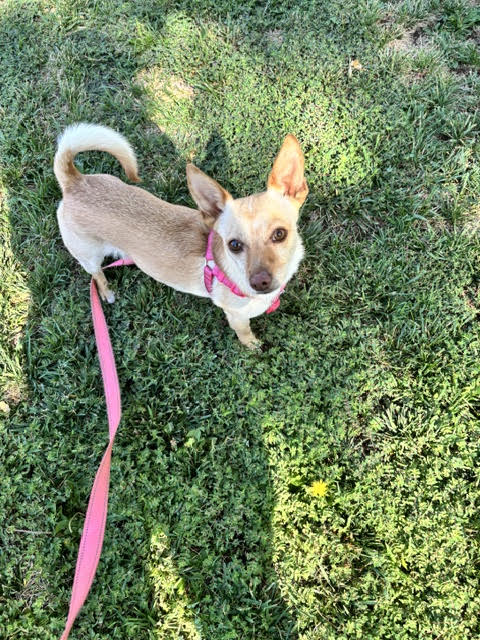
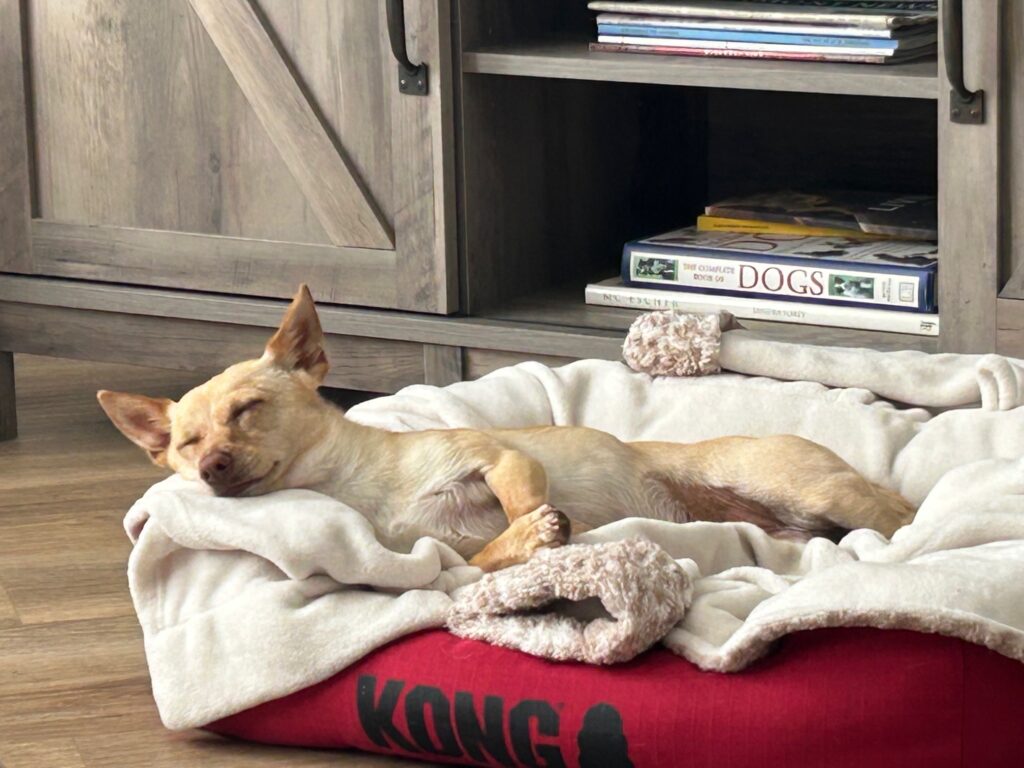
That first year was filled with dog-training classes, establishing a relationship with a trusted veterinarian and settling into the routines of grooming and caring for her. The next couple of years were equally busy and fun with Annie.
But something began to change in me.
I wasn’t feeling well. I was more easily irritated, frequently congested and coughing, and my energy was low. I had to work harder to feel happy and engaged with other people. By Annie’s fourth year with me, I had suffered three serious bouts of bronchitis. One was severe enough that a planned surgery had to be postponed.
Finally, I asked my doctor whether allergies might be contributing to all of this.
Testing revealed that I reacted to 80 percent of the allergens used—and that I had a severe allergy to both dog and cat dander. Those allergies were contributing to asthma flare-ups and recurring sinus infections.
I tried to make it work. Annie no longer slept in my bedroom. I used air purifiers and began monthly allergy injections. But despite those changes and treatment, my symptoms continued.
As I fought back tears and considered what I might have to do, I realized something much larger.
For most of my life, I had put my children, my husbands, my career and even my pets ahead of my own health and well-being.
Now, at 65 years old, I finally said to myself, “Gale, as painful as this may be, it’s time to put your health first.”
That meant making the heartbreaking decision to find a new home for Annie.
I felt deeply sad—and ashamed. I loved this beautiful little dog as if she were my own daughter. Giving her up made me feel as though I had failed as a dog mom. And, perhaps just as difficult, I worried about what my neighbors and friends might think when they found out.
While battling yet another sinus infection and asthma flare-up, I contacted a rescue organization for small-breed dogs and explained my situation. Still feeling embarrassed, I asked that they not come to my house. I worried that my neighbors would see what was happening and gossip about why I was giving up my dog.
Instead, I met Annie’s foster parent at a local community center.
Almost immediately, I discovered that she was a loving and compassionate dog mom herself. We talked through everything that had led me to this decision. Before we parted, she gave me a big hug and promised to send me a text and photos the following day.
Saying goodbye was unbelievably sad.
Annie left with three department-store-size bags filled with her worldly possessions—dog beds, blankets, a month’s worth of food, treats, sweaters, leashes, poop bags, toys, crates and more—anything I thought might help make her transition to a new home easier.
After she was gone, I kept finding traces of her everywhere.
There were paw prints on the windowsill where she used to peer outside to see who was coming to the front door. Her grassy pee mat was still in the backyard. And in the kitchen was the empty space where her food and water bowls had always been.
I couldn’t stop crying over the hole she had left in my heart.
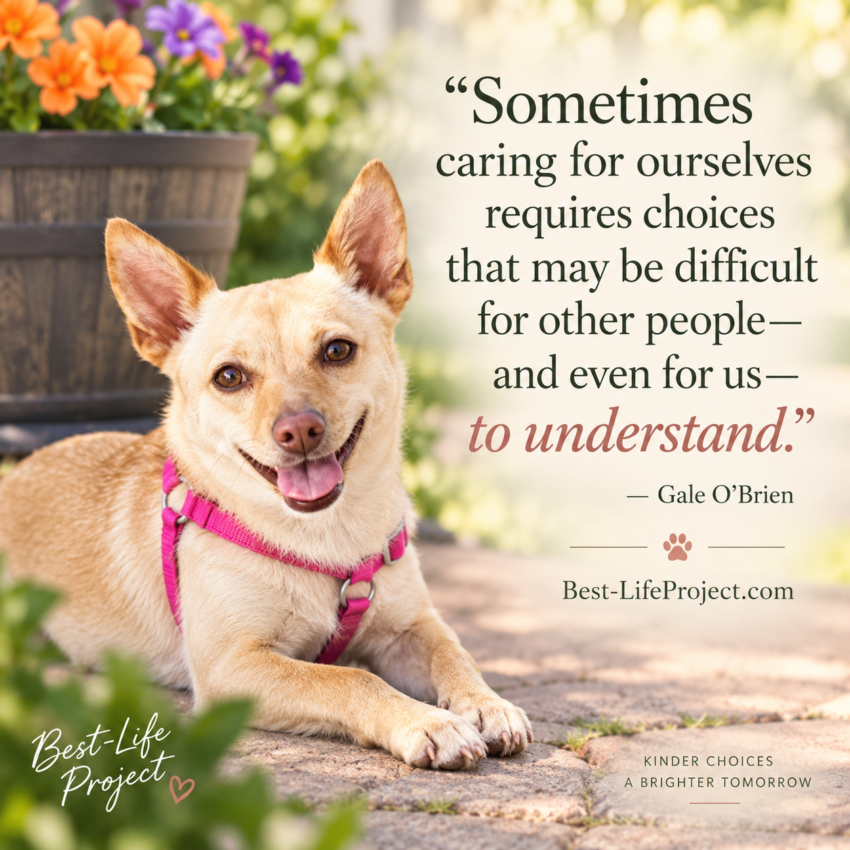
But somewhere in the grief, I began to understand that making the right decision doesn’t always mean making the easy one. Sometimes loving another living creature also means recognizing our own limitations. And sometimes caring for ourselves requires choices that may be difficult for other people—and even for us—to understand.
That realization is why I chose to share this story with all of you through The Best-Life Project.
At this stage of life, many of us have spent decades caring for children, spouses, parents, careers, homes and countless other responsibilities. Putting our own well-being first can feel unfamiliar, uncomfortable or even selfish.
But perhaps there comes a time when caring for ourselves has to become part of the equation, too.
I’m still grieving Annie. I still miss her. But I’m learning that I don’t have to hide the sadness or feel ashamed of the decision I made.
And perhaps when we are willing to tell the truth about the difficult choices in our lives, someone else feels a little less alone in theirs.
New to The Best-Life Project?
Please read these foundational posts:
Read More from This Author:
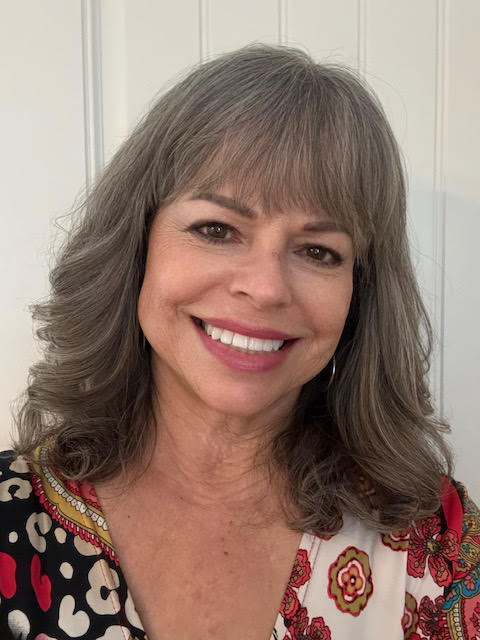
Gale O’Brien is a writer, artist and the award-winning author of Transformation: Creating an Exceptional Life in the Face of Cancer, available on Amazon. A former schoolteacher, life coach and businesswoman, Gale knows what it means to set an intention to live and pursue a passionate, exceptional life. She enjoys spending her free time with family and friends. Gale lives in New Mexico, where she is inspired by the people and art of the Southwest.